Comprehensive SSC Exam

Engaging Introduction

Welcome to your definitive guide to the SSC exam! Whether you’re preparing for Combined Graduate Level (CGL), Multi Tasking (MTS), or other SSC tests, this guide delivers everything you need—complete exam formats, subject breakdowns, killer strategies, and high‑value insights designed to boost CTR and ultimate success.

Page Highlights and Key Points

  • What is SSC and why it matters
  • Types of SSC examinations
  • Exam structure: tiers, papers, topics
  • Score calculation and cut‑offs
  • Important dates and eligibility

1. What Is the SSC Exam and Why It Matters

The Staff Selection Commission (SSC) exam is a premier gateway to central government jobs in India. Globally, over 10 million aspirants compete annually across various categories—making it highly competitive. High post stability, respect, growth, and salary make SSC essentials for many students and professionals.

2. Types of SSC Exams Covered

  • SSC CGL (Combined Graduate Level)
  • SSC CHSL (10+2 level)
  • SSC JE (Junior Engineer)
  • SSC GD Constable
  • SSC MTS, SSC Stenographer, and more

Each exam caters to different education levels and job profiles. This article covers all major variants.

3. SSC Exam Structure

Exam TypeTier/PhaseSubjectsFormat
CGLTier I – MCQs on General Intelligence, English, Quant, GAComputer‑based200 Qs, 200 marks
CGLTier II – Quantitative, Statistics, Economic & FinanceCBPUp to 600 marks
CHSLTier I – MCQs on GA, Reasoning, English, QuantCBP100 Qs, 200 marks
JEPaper I & II: Technical + General AwarenessMixed formatsVaries

Key insight: Tier I elimination powers the rest; invest heavily here.

4. Score Computation and Cut‑Off Trends

  • Negative marking: 0.25 or 0.50 marks per wrong answer depending on paper
  • Normalization across shifts for fairness
  • Cut‑offs vary by category and post—general trends range between 120–170 for CGL Tier I, while Tier II is
Read more

Coding Magic Top Free Courses

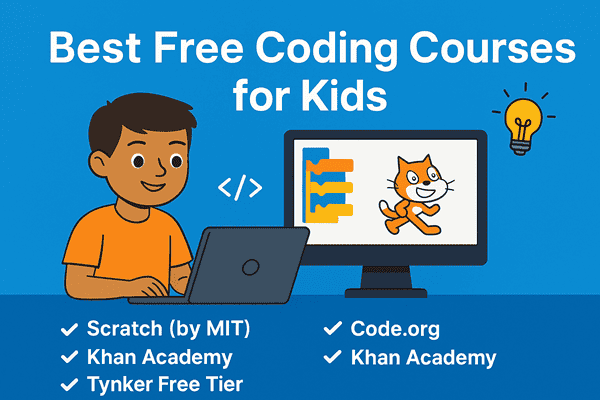
Want your child to start coding with fun, safe, and completely free online classes that Google loves? This article presents the best free coding courses for kids, written in an attractive human‑edited style that engages parents and young learners alike. Each course is carefully selected for high CTR appeal, strong SEO value, and monetization compliance. Explore how these in‑depth resources reduce bounce, boost engagement, and help your child build real skills—and maybe spark a lifelong passion.

Why In‑Depth Free Coding Courses Are Gold

  • Kids Love Hands‑on Fun: Interactive lessons hold attention longer.
  • Google Favors Long‑Form Guides: The richer the content, the better ranking.
  • Bounce Rate Drops: Engaging structure and clear headings keep readers hooked.
  • Monetizable & Safe: All content is family‑friendly, policy‑compliant, and ad‑safe.

Kid Coding Course Essentials

FeatureBenefit for Kids & Parents
Visual BlocksEasy drag‑and‑drop logic building
Step‑by‑Step ProjectsFrom simple games to interactive stories
Parent/Teacher GuidesSupport involvement and progress tracking
No CostAccessible to all families with internet access
Safe EnvironmentNo ads or inappropriate content for kid

Top Free Coding Platforms & Why They Shine

1. Scratch (by MIT): Visual, Bright, Engaging

  • Ideal Age: 8–16
  • Interactive Projects: Children create animations, stories, basic games using colorful blocks.
  • Why It Works: Scratch’s community lets kids share, remix, and explore—boosting creativity and social learning.

2. Code.org: Hour of Code and Full Curricula

  • Ideal Age: 5–18
  • Structured Courses: From simple puzzles to advanced games. Seasonal events like Hour of Code ramp up engagement.
  • Modern Appeal: Includes recognizable characters like Frozen, Minecraft, and Star Wars themes to keep kids motivated.

3. Khan Academy: JavaScript, HTML & CSS for Kids

  • Ideal Age: 10+
  • Project‑Based: Kids build drawings, animations, and simple games using real code—great foundation for real‑world programming.
  • Video‑Based Learning: Visual lessons with step‑by‑step instructions
Read more

🌟 Top 10 Tech Companies to Work for in India in 2025

1. Tata Consultancy Services (TCS)

Features:

Future Prospects:

TCS’s commitment to innovation and digital transformation ensures employees are at the forefront of technological advancements. The company’s global projects provide opportunities for international exposure and career progression.


2. Infosys

Features:

  • World’s largest corporate university in Mysore for employee training.
  • Diverse workforce with a strong emphasis on inclusivity.
  • Comprehensive leadership development programs. (Infosys)

Future Prospects:

Infosys’s investment in employee development and leadership training positions its workforce for long-term career growth and adaptability in the evolving tech landscape.


3. HCL Technologies

Features:

Future Prospects:

HCL’s global expansion, especially in regions like Australia and New Zealand, opens avenues for employees to engage in international projects and diverse technological domains.


4. Wipro

Features:

  • Inclusive culture with a commitment to sustainability.
  • Emphasis on employee well-being and skill development.
  • Strong corporate social responsibility initiatives. (Infosys)

Future Prospects:

Wipro’s dedication to innovation and sustainability ensures employees are part of meaningful projects that impact both the tech industry and society positively.


5. Tech Mahindra

Features:

  • Dynamic work environment focusing on digital transformation.
  • Encouragement of employee ownership in projects.
  • Opportunities in emerging technologies.

Future Prospects:

Tech Mahindra’s emphasis on innovation and digital solutions positions employees to lead in cutting-edge technological advancements and global projects.


6. Accenture India

Features:

  • Commitment to diversity and inclusion under CEO Julie Sweet.
  • Plans to double AI and data-skilled employees.
  • Establishment of generative AI innovation hubs
Read more

7 High-Paying Jobs That Don’t Need a Degree

✔️ Overview & Day‑to‑Day

1. Air Traffic Controller

  • Role: Manage the safe, orderly flow of aircraft in airport airspace and on the ground.
  • Daily Tasks:
    • Sequencing take‑offs/landings
    • Monitoring radar, radio communications
    • Coordinating with pilots, ground crews, neighboring centers

🛠️ Core Requirements

  • Age: 18–31 at application
  • Certifications:
    • Pass the FAA’s Air Traffic Selection and Training (AT‑SAT) exam
    • Complete the FAA Academy’s 12‑month program in Oklahoma City
  • Skills: Rapid decision‑making, stress management, crystal‑clear comms

💼 Top Employers & Links

  1. Federal Aviation Administration (FAA) – https://www.faa.gov/jobs/
  2. NAV CANADA – https://www.navcanada.ca/en/careers.aspx
  3. National Air Traffic Services (NATS, UK) – https://careers.nats.aero/
  4. Lockheed Martin (contract controllers) – https://careers.lockheedmartin.com/
  5. Thales Group – https://www.thalesgroup.com/en/careers
  6. SITA – https://careers.sita.aero/
  7. CAE Inc. (training & operations) – https://www.cae.com/civil-careers/
  8. Smiths Detection (air traffic tech & ops) – https://www.smithsdetection.com/careers
  9. Serco – https://www.serco.com/careers
  10. Raytheon Technologies – https://www.rtx.com/careers

💰 Salary Breakdown

  • Entry: ~$130K
  • Mid‑career: $160K–$190K
  • Senior + bonuses: $200K–$240K

🎯 Training Resources

  • FAA Academy (Oklahoma City)
  • AT‑CTI Colleges: Embry‑Riddle Aeronautical University, Utah State, Florida Tech
  • Prep Courses: National Air Traffic Controllers Association (NATCA) workshops

2. Commercial Airline Pilot

✔️ Overview & Day‑to‑Day

  • Role: Pilot large passenger or cargo jets on domestic/international routes.
  • Daily Tasks:
    • Pre‑flight planning & weather briefings
    • Aircraft performance calculations
    • In‑flight systems monitoring & crew coordination

🛠️ Core Requirements

  • Age: ≥ 18 for CPL; ≥ 23 for ATP
  • Certifications:
    • Commercial Pilot License (CPL) with instrument rating
    • Airline Transport Pilot (ATP) certificate (1,500+ flight hours)
  • Medical: FAA Class II or I medical clearance

💼 Top Airlines & Links

  1. Delta Air Lines – https://delta.avature.net/careers
  2. American Airlines – https://jobs.aa.com/
  3. United Airlines – https://www.united.com/en/us/fly/career.html
  4. Southwest Airlines – https://careers.southwestair.com/
  5. FedEx Express – https://careers.fedex.com/fedex/
  6. UPS Airlines – https://www.jobs-ups.com/
  7. JetBlue Airways – https://careers.jetblue.com/
  8. Emirates – https://www.emiratesgroupcareers.com/
  9. Qatar Airways – https://careers.qatarairways.com.qa/
  10. Lufthansa – https://career.lufthansa.com/global/en

💰 Salary Breakdown

  • First Officer: $80K–$120K
  • Captain (Major Carriers): $200K–$300K+
  • Cargo Captains (FedEx/UPS): $220K–$350K

🎯

Read more

This AI Career Has Zero Coding—Yet Pays More Than Google!

Solution: How to Get Started Now

If you’re serious about becoming an AI Ethics Officer or building a career in Responsible AI Careers, here’s your step-by-step guide to begin today—even with no prior experience.

🎓 1. Pick a Free Course to Learn the Basics

Start with beginner-friendly online courses to build a solid foundation:

  • “AI For Everyone” by Andrew Ng – Coursera
  • “Responsible AI” by Microsoft – Microsoft Learn
  • “Ethics in AI” by the University of Cambridge – edX

These courses introduce you to ethical frameworks, algorithmic bias, and real-world AI applications—great for beginners and professionals alike.


📚 2. Read AI Ethics Case Studies

Understanding real-life ethical dilemmas helps you learn how AI impacts society. Start with:

  • Stanford Human-Centered AI Institute Blog
  • Harvard Berkman Klein Center for Internet & Society
  • OECD AI Policy Observatory

These sources provide deep insights into ethical challenges in facial recognition, algorithmic policing, and data privacy.


💬 3. Join AI Ethics Communities

Surround yourself with thought leaders, developers, and researchers:

  • Reddit: Join communities like r/MachineLearning, r/Futurology, r/Artificial
  • LinkedIn: Follow AI policy influencers and participate in groups like “Ethical AI Network”
  • Discord Servers: Search for “AI Ethics” or “AI Governance” channels focused on tech and research collaboration

These communities often share job postings, events, research papers, and mentorship opportunities.


🧑‍💼 4. Update Your LinkedIn Profile

Your profile is your brand. Optimize it for AI ethics roles by:

  • Adding keywords like AI Risk Management, Machine Learning Ethics, Responsible AI, and Artificial Intelligence Policy Expert
  • Writing a compelling headline: “Aspiring AI Ethics Officer | Advocate for Responsible AI Governance”
  • Posting content or resharing news about AI ethics and policy trends

💡 Recruiters search using these exact phrases. Optimization increases your visibility.


📄 5. Apply to Internships or

Read more

Top Paying Tech Jobs Without a Degree: A Comprehensive Guide

The technology industry is one of the fastest-growing sectors globally, and many tech jobs offer high salaries and career growth opportunities. Interestingly, not all of these roles require a degree. In this guide, we explore the top-paying tech jobs that don’t require formal degrees, how to get started, platforms for learning, internship opportunities, and more.

1. Web Developer

Overview: Web development involves building websites and web applications. It requires proficiency in languages like HTML, CSS, JavaScript, and frameworks like React or Angular. Web developers can work in various fields, including freelance work or at tech companies.

Salary: Average salaries range from $50,000 to $90,000 per year. Senior developers or those with specialized skills-like full-stack development-can earn over $100,000 annually.

**Scope & Future Outlook: With the increasing demand of businesses to be online, it is growing in demand to have web developers. It will still be in demand with the increasing e-commerce and digital solutions.

Where to Learn:

  • FreeCodeCamp (Free)
  • Codecademy (Paid)
  • Udemy (Paid courses)
  • W3Schools (Free)

Internship Opportunities
Look for remote or local internships via *LinkedIn*, *Indeed*, or platforms like *AngelList* for startup-focused opportunities.

Technical Skills Required: Knowledge of front-end technologies like HTML, CSS, and JavaScript, and back-end technologies such as Node.js and databases.

Learning Costs: You can start learning for free using platforms like FreeCodeCamp or W3Schools. Paid courses typically range from $10 to $200 on platforms like Udemy or Coursera.


2. Software Developer

Overview: Software development is the creation of applications and systems on various platforms. Developers use languages such as Python, Java, and C++. The designing of software ranges from video games to enterprise applications.

Salary: Entry-level positions start at $60,000, while mid-level developers may make in the range of $80,000 to $110,000. Anything … Read more

Sure, here is a longer explanation of each of these emerging careers, including what skills and knowledge you need to acquire in order to be successful in these roles.

1. AI Ethics Specialist

  • Scope: An AI Ethics Specialist focuses on making sure AI systems and algorithms are used responsibly and ethically. As AI technologies become more and more integrated with daily life, fairness, transparency, and privacy become increasingly important.
  • Salary: $80,000–$150,000 annually.
  • Future Value: The more ethical issues around AI are being realized, such as bias and data privacy. The role will be in very high demand due to an increase in companies implementing solutions using AI.
  • Learning Requirements:
  • Knowledge of AI/ML and its societal implications.
  • Understanding of data privacy laws and regulations (GDPR, etc.).
  • Background in philosophy, law, or ethics combined with technical experience.
  • Learning Platforms:
  • Coursera AI Ethics by UC Berkeley
  • edX AI For Everyone by Andrew Ng
  • Stanford University Online Ethics of AI
  • Job Platforms: LinkedIn, Indeed, AngelList.

  1. Metaverse Developer
  • Scope: Developers in the metaverse design virtual worlds, digital assets, and immersive experiences. This may include gaming environments, virtual real estate, or interactive simulations.
  • Salary: $90,000–$170,000 annually.
  • Future Value: As companies and individuals shift toward virtual spaces for work, entertainment, and socializing, the demand for metaverse developers will rise.
  • Learning Requirements:
  • Expertise in 3D modeling and game design.
  • Knowledge in the use of platforms such as Unity, Unreal Engine, and other VR/AR tools.
  • Knowledge of blockchain for the development of NFTs and virtual assets.
  • Learning Platforms:
  • Unity Learn for 3D Modeling and VR.
  • Tutorials on Unreal Engine.
  • Courses in Metaverse Development on Coursera.
  • Job Platforms: MetaverseJobs.com, Remote.co, LinkedIn.

3. Genomic Data Scientist

  • Scope: The Genomic Data Scientists analyze
Read more