Top 5 Superfoods You Should Eat Every Day

In today’s fast-paced world, maintaining a healthy diet can feel like a challenge. With so many options available, it’s easy to get overwhelmed. However, incorporating superfoods into your daily routine can be a game-changer for your health. Superfoods are nutrient-dense foods that pack a powerful punch of vitamins, minerals, antioxidants, and other essential nutrients. They can help boost your energy, strengthen your immune system, and even improve your mental clarity.

In this article, we’ll explore the top 5 superfoods you should eat every day, their incredible health benefits, and how to easily incorporate them into your meals. Let’s dive in!


1. Blueberries: The Antioxidant Powerhouse

Blueberries are often referred to as nature’s candy, but they’re so much more than just a sweet treat. These tiny, vibrant berries are loaded with antioxidants, particularly anthocyanins, which give them their deep blue color. Antioxidants are crucial for combating oxidative stress and reducing inflammation in the body.

Health Benefits of Blueberries:

  • Boost Brain Health: Studies have shown that blueberries can improve memory and cognitive function, making them an excellent food for brain health.
  • Support Heart Health: The high levels of fiber and antioxidants in blueberries help lower bad cholesterol and improve cardiovascular health.
  • Aid in Digestion: Blueberries are rich in dietary fiber, which promotes healthy digestion and prevents constipation.

How to Eat Blueberries Daily:

  • Add a handful to your morning oatmeal or yogurt.
  • Blend them into smoothies for a refreshing drink.
  • Enjoy them as a snack on their own or mixed with nuts.

2. Spinach: The Leafy Green Superstar

Spinach is a versatile leafy green that deserves a permanent spot in your diet. Packed with vitamins A, C, and K, as well as iron, magnesium, and folate, spinach is a nutrient-dense superfood that supports overall health.

Health Benefits of Spinach:

  • Strengthen Bones: The high vitamin K content in spinach helps improve bone density and reduce the risk of fractures.
  • Improve Eye Health: Spinach is rich in lutein and zeaxanthin, antioxidants that protect your eyes from age-related macular degeneration.
  • Boost Immunity: The combination of vitamins and minerals in spinach helps strengthen your immune system and
Read more

The Ultimate Guide to Intermittent Fasting for Beginners

Introduction to Intermittent Fasting

Intermittent fasting (IF) isn’t just another diet trend; it’s a lifestyle change that has been practiced for centuries, with roots in various cultures and religions. At its core, IF involves cycling between periods of eating and fasting, which can lead to numerous health benefits beyond just weight loss.

What is Intermittent Fasting?
Intermittent fasting doesn’t specify what foods you should eat but rather when you should eat them. The focus is on the timing of meals to make your body cycle through a state of fasting and feeding. This method can promote weight loss, improve metabolic health, and potentially extend lifespan.

Benefits of Intermittent Fasting

  • Weight Loss: By reducing your eating window, you naturally consume fewer calories, which can lead to weight loss. Fasting also triggers a process called ketosis, where the body uses fat for fuel instead of glucose.
  • Improved Insulin Sensitivity: Intermittent fasting can reduce insulin levels, lowering your risk of type 2 diabetes. This is particularly beneficial for those with pre-diabetes or those trying to manage their blood sugar levels.
  • Cardiovascular Health: Studies suggest that IF can improve various cardiovascular risk factors like blood pressure, cholesterol levels, triglycerides, and inflammatory markers.
  • Brain Health: Fasting has been linked to increased production of brain-derived neurotrophic factor (BDNF), a protein that supports brain health. It may also reduce inflammation and oxidative stress, potentially delaying neurodegenerative diseases like Alzheimer’s.
  • Longevity: There’s emerging evidence that intermittent fasting might activate pathways related to longevity in animals, suggesting similar benefits might occur in humans.
  • Simplified Eating: For many, IF simplifies meal planning and preparation, reducing decision fatigue about what to eat.

Types of Intermittent Fasting

Understanding the different methods can help you choose which one aligns best with your lifestyle:

  • 16/8 Method (Leangains protocol): Fast for 16 hours each day and eat all your meals within an 8-hour window. For example, you might skip breakfast and eat from noon to 8 PM.
  • 5:2 Diet: Eat normally for five days of the week but restrict your calorie intake to about 500-600 calories on the other two non-consecutive days.
  • Eat-Stop-Eat: This involves
Read more

Starting your day on the right foot can make all the difference in how you feel throughout the day. Here are ten morning habits designed not just to wake you up but to keep your energy levels high from dawn till dusk. Let’s dive into each one, exploring not only what to do but why these habits work.

1. Rise with the Sun

Why It Works: Exposure to natural light first thing in the morning helps regulate your body’s internal clock or circadian rhythm. This exposure boosts cortisol levels in a healthy pattern, aiding in alertness and energy throughout the day.

How to Implement: Try to get out of bed as soon as you wake up. Open your curtains or blinds to let sunlight in, or better yet, step outside for a few minutes. If you live in a place with limited sunlight, consider a light therapy lamp.

2. Hydrate Immediately

Why It Works: After hours without water, your body is likely dehydrated, which can lead to tiredness. Hydration kickstarts metabolism, aids in digestion, and helps transport nutrients around your body.

How to Implement: Keep a glass of water by your bed to drink before you even get up. Aim for at least 16 ounces of water first thing in the morning. You could add a slice of lemon for flavor and extra hydration benefits.

3. Move Your Body

Why It Works: Physical activity in the morning can increase your heart rate, improve circulation, and release endorphins, all of which contribute to feeling more awake and energetic.

How to Implement: This doesn’t mean you need to run a marathon. A simple 10-minute yoga session, a brisk walk, or some jumping jacks can work wonders. The key is consistency, not intensity.

4. Eat a Nutritious Breakfast

Why It Works:Read more

Mahakumbh Prayagraj: The Largest Spiritual Gathering on Earth

The Mahakumbh Mela in Prayagraj (formerly Allahabad) is one of the most significant and awe-inspiring spiritual events in the world. It is a grand confluence of faith, devotion, and culture, drawing millions of pilgrims, sadhus, and tourists from across the globe. The Mahakumbh is not just a religious festival; it is a testament to the enduring power of spirituality, unity, and the human quest for divine connection. In this article, we will explore the essence of the Mahakumbh, its historical and spiritual significance, what to do and what not to do during the event, and the latest updates about the upcoming Mahakumbh in Prayagraj.


What is the Mahakumbh Mela?

The Mahakumbh Mela is a Hindu pilgrimage that occurs every 12 years, rotating between four sacred locations in India: Prayagraj (Allahabad), Haridwar, Ujjain, and Nashik. The event in Prayagraj is considered the most auspicious due to its location at the confluence of three holy rivers—the Ganga, Yamuna, and the mythical Saraswati. This confluence, known as the Triveni Sangam, is believed to be the epicenter of spiritual energy, making Prayagraj the holiest site for the Kumbh Mela.

The Mahakumbh is a larger version of the Kumbh Mela, occurring once every 144 years (after 12 Purna Kumbh Melas). The last Mahakumbh was held in 2013, and the next one is scheduled for 2025. The event is a spectacle of faith, where millions gather to take a holy dip in the Sangam, believing it will cleanse them of their sins and liberate them from the cycle of birth and death.


Why is the Mahakumbh Celebrated?

The origins of the Mahakumbh Mela are deeply rooted in Hindu mythology. According to legend, during the Samudra Manthan (churning of the ocean), a pot (kumbh) of nectar (amrit) emerged, granting immortality to whoever drank it. To prevent the demons from seizing the nectar, the gods entrusted it to Lord Vishnu, who, in the form of Mohini, carried it to the heavens. During this celestial chase, drops of the nectar fell at four locations on Earth: Prayagraj, Haridwar, Ujjain, and Nashik. These sites … Read more

Detailed Content Review of the Pushpa 2: The Rule Movie

Pushpa 2: The Rule is the highly-anticipated sequel to the blockbuster 2021 movie Pushpa: The Rise, Sukumar, with Allu Arjun as its lead star. The film carries on from where Pushpa Raj leaves off-to the world of red sandalwood smuggling from where he had begun, being an underdog. Pushpa 2 is really creating a lot of excitement and anticipation, especially when the first movie left many wanting more, and there was so much massive success.

Plot Summary:

Pushpa 2 starts right where the first movie ends with Pushpa Raj in an ever-newer situation while securing his position as the next leader in the world of crime. After having defeated his enemies in the previous film, he now has to deal with his relationships, especially with the police and other rival factions who want to take him down. The movie explores Pushpa’s journey of power, betrayal, and survival, with an increased focus on the emotional and psychological impact of his rise to power. Expect intense action sequences, drama, and character development.

Star Cast and Characters:

The movie boasts of a stellar ensemble cast with the lead members reprising their roles in the first film.

The main cast members are

  • Allu Arjun as Pushpa Raj: The main character, a fearless and cunning man, who is the heart of the movie’s drama. Allu Arjun’s portrayal of Pushpa has been widely appreciated for his raw intensity and rustic charm.
  • Rashmika Mandanna as Srivalli: The love interest of Pushpa whose character is more developed in this sequel. Rashmika’s performance is going to be more emotionally profound as Srivalli tries to come to terms with the fallout of being involved with Pushpa.
  • Fahadh Faasil as SP Bhanwar Singh Shekhawat: The brutal policeman who was first introduced as a strong antagonist
Read more

Russia developing its own cancer vaccine.


Questions and Answers on Russia’s Cancer Vaccine Development


**1. What is the cancer vaccine developed by Russia?
Russia has discovered a cancer vaccine called the “AEROS” vaccine. This vaccine targets all forms of cancer and aims to enhance the body’s immunity in combating cancerous cells.


  1. How does the AEROS cancer vaccine work?
    Answer: The AEROS cancer vaccine works by activating the immune system to recognize and destroy cancerous cells. It conditions the immune system to identify certain tumor markers found in cancerous cells.

3. Which kinds of cancer does AEROS vaccine treat?
Answer: Studies indicate that the AEROS vaccine has the efficacy of treating several types of cancers, such as breast cancer, lung cancer, prostate cancer, and even colon cancer.


4. When was the AEROS cancer vaccine first discovered? ,
Answer: Researchers introduced the AEROS cancer vaccine some years ago in Russia. Clinical research is said to have kicked off in 2021.

5. How is the AEROS cancer vaccine administered?
Answer: The injections are given directly into the bloodstream to boost the body’s response to cancer cells.


6. Is the AEROS cancer vaccine approved for public use?
Answer: To date, the AEROS vaccine is in clinical trials and not yet entirely approved for public use.


7. How is AEROS cancer vaccine different from the usual treatments for cancer?
Answer: Unlike traditional treatments like chemotherapy and radiation, where cancer cells are targeted, the AEROS vaccine increases the immune system’s capacity to identify and eliminate cancer cells.


**8. What are the primary advantages of AEROS cancer vaccine compared with chemotherapy?
The AEROS vaccine is not invasive, causes a lower number of side effects and gives the immune system a boost over depending on toxic chemicals killing off cancer cells.


  1. Is the AEROS vaccine a preventive or therapeutic vaccine?
    Answer: This is primarily a therapeutic vaccine, which is treatment given to a patient with current cancer rather than a vaccine taken for prevention.

10. Number of patients with involvement in clinical trials with AEROS cancer vaccine
It has been used on a few hundred of them, and there has been encouraging evidence to … Read more

Top Paying Tech Jobs Without a Degree: A Comprehensive Guide

The technology industry is one of the fastest-growing sectors globally, and many tech jobs offer high salaries and career growth opportunities. Interestingly, not all of these roles require a degree. In this guide, we explore the top-paying tech jobs that don’t require formal degrees, how to get started, platforms for learning, internship opportunities, and more.

1. Web Developer

Overview: Web development involves building websites and web applications. It requires proficiency in languages like HTML, CSS, JavaScript, and frameworks like React or Angular. Web developers can work in various fields, including freelance work or at tech companies.

Salary: Average salaries range from $50,000 to $90,000 per year. Senior developers or those with specialized skills-like full-stack development-can earn over $100,000 annually.

**Scope & Future Outlook: With the increasing demand of businesses to be online, it is growing in demand to have web developers. It will still be in demand with the increasing e-commerce and digital solutions.

Where to Learn:

  • FreeCodeCamp (Free)
  • Codecademy (Paid)
  • Udemy (Paid courses)
  • W3Schools (Free)

Internship Opportunities
Look for remote or local internships via *LinkedIn*, *Indeed*, or platforms like *AngelList* for startup-focused opportunities.

Technical Skills Required: Knowledge of front-end technologies like HTML, CSS, and JavaScript, and back-end technologies such as Node.js and databases.

Learning Costs: You can start learning for free using platforms like FreeCodeCamp or W3Schools. Paid courses typically range from $10 to $200 on platforms like Udemy or Coursera.


2. Software Developer

Overview: Software development is the creation of applications and systems on various platforms. Developers use languages such as Python, Java, and C++. The designing of software ranges from video games to enterprise applications.

Salary: Entry-level positions start at $60,000, while mid-level developers may make in the range of $80,000 to $110,000. Anything … Read more

Sure, here is a longer explanation of each of these emerging careers, including what skills and knowledge you need to acquire in order to be successful in these roles.

1. AI Ethics Specialist

  • Scope: An AI Ethics Specialist focuses on making sure AI systems and algorithms are used responsibly and ethically. As AI technologies become more and more integrated with daily life, fairness, transparency, and privacy become increasingly important.
  • Salary: $80,000–$150,000 annually.
  • Future Value: The more ethical issues around AI are being realized, such as bias and data privacy. The role will be in very high demand due to an increase in companies implementing solutions using AI.
  • Learning Requirements:
  • Knowledge of AI/ML and its societal implications.
  • Understanding of data privacy laws and regulations (GDPR, etc.).
  • Background in philosophy, law, or ethics combined with technical experience.
  • Learning Platforms:
  • Coursera AI Ethics by UC Berkeley
  • edX AI For Everyone by Andrew Ng
  • Stanford University Online Ethics of AI
  • Job Platforms: LinkedIn, Indeed, AngelList.

  1. Metaverse Developer
  • Scope: Developers in the metaverse design virtual worlds, digital assets, and immersive experiences. This may include gaming environments, virtual real estate, or interactive simulations.
  • Salary: $90,000–$170,000 annually.
  • Future Value: As companies and individuals shift toward virtual spaces for work, entertainment, and socializing, the demand for metaverse developers will rise.
  • Learning Requirements:
  • Expertise in 3D modeling and game design.
  • Knowledge in the use of platforms such as Unity, Unreal Engine, and other VR/AR tools.
  • Knowledge of blockchain for the development of NFTs and virtual assets.
  • Learning Platforms:
  • Unity Learn for 3D Modeling and VR.
  • Tutorials on Unreal Engine.
  • Courses in Metaverse Development on Coursera.
  • Job Platforms: MetaverseJobs.com, Remote.co, LinkedIn.

3. Genomic Data Scientist

  • Scope: The Genomic Data Scientists analyze
Read more

1. How does honey help achieve glowing skin?

Answer : Honey is a natural humectant, which means it retains moisture in the skin, making it supple and glowing. It also has antibacterial properties that help reduce acne and blemishes. Apply raw honey to your face, leave it on for 10-15 minutes, and then rinse with lukewarm water. Regular application hydrates the skin, reduces dryness, and adds a natural glow. For added benefits, combine honey with lemon juice, which is a natural bleach, and brightens the skin tone.


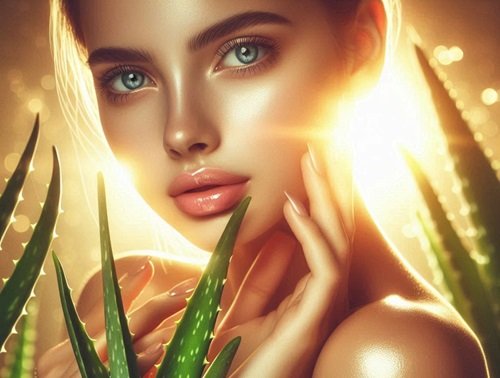
2. What are the benefits of aloe vera for glowing skin?

Answer : Aloe vera is rich in vitamins C and E, which ensure good skin health and radiant glow. Its soothing property reduces inflammation, acne, or redness, while hydrating properties make the skin appear smooth. Extract fresh aloe vera gel and massage it for a while on your face. Leave it on for 20 minutes and then rinse with water. Aloe vera also soothes damaged skin and adds to collagen production, ultimately improving elasticity and glow. Use it regularly for best results.


  1. Is Turmeric Good for Glowing Skin?
    Answer: Yes, turmeric is a strong antioxidant and anti-inflammatory agent. It contains curcumin that would help lighten dark spots, reduce pigmentation, and brighten the skin. Mix turmeric with gram flour and milk or yogurt to form a paste. Apply it on the face, let it dry, and wash off with a gentle cleanser. This remedy can be done 2-3 times in a week for a natural glow. However, overuse should be avoided as turmeric may stain your skin.

  1. Is coconut oil good for glowing skin?
    Answer : Coconut oil is a natural moisturizer that is particularly beneficial for dry skin. It is rich in fatty acids and antioxidants, which feed and
Read more

1. What are the best foods for boosting immunity?

Answer: Foods rich in vitamins, minerals, and antioxidants play a key role in boosting immunity. Examples include citrus fruits, garlic, ginger, spinach, almonds, and yogurt. These foods help strengthen the immune system by supporting the body’s defense mechanisms.

2. How does vitamin C help to boost immunity?

Solution: Vitamin C plays a crucial role in the development and function of white blood cells-the cells that fight infection. As an antioxidant, vitamin C protects the immune cells from damage. Vitamin C is found in oranges, strawberries, bell peppers, and broccoli, among others.


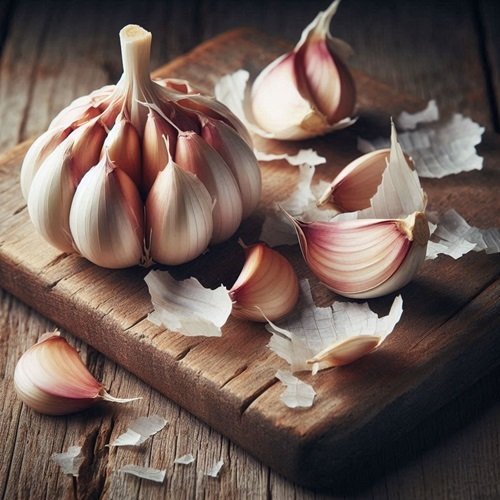
3. **How does garlic help boost immunity?

Garlic contains compounds such as allicin, which exert antimicrobial and anti-inflammatory effects. It strengthens the immune response and thus can help resist infection. The inclusion of raw or cooked garlic in various meals may provide a simple approach to boosting the immune system.


  1. **What is the role of probiotics in immunity?
    Answer: Probiotics are helpful bacteria that keep the gut healthy, which, in turn, is related to immunity. A healthy gut microbiome aids in the regulation of immune responses and can lower the chances of infections. Foods rich in probiotics include yogurt, kefir, and sauerkraut.

5. **Does exercise boost immunity?

Answer: Yes, regular moderate exercise improves immune function by enhancing circulation of white blood cells, increasing the production of antibodies, and activating natural killer cells. Do at least 30 minutes of moderate exercise, such as brisk walking or cycling, on most days of the week.


6. How does sleep affect immune function?

Answer: Sleep is important for immune health because it allows your body to repair itself and generate immune cells. Poor sleep makes you more vulnerable to getting sick. Get 7-9 hours of good quality sleep each … Read more